Hanitha: A Handwritten Font for Your Brand
I still remember the morning I sat at my kitchen table surrounded by half-empty coffee mugs, stacks of kraft paper labels, and a laptop glowing with unsatisfactory designs. As the owner of a small handmade candle business, I had spent weeks perfecting my scents and wax blends, yet something felt off when I looked at my packaging. The text on my jars looked generic, like it belonged to a mass-produced brand rather than a boutique creator pouring heart into every pour. I needed a visual voice that matched the warmth of my products, and that is exactly when I discovered Hanitha.
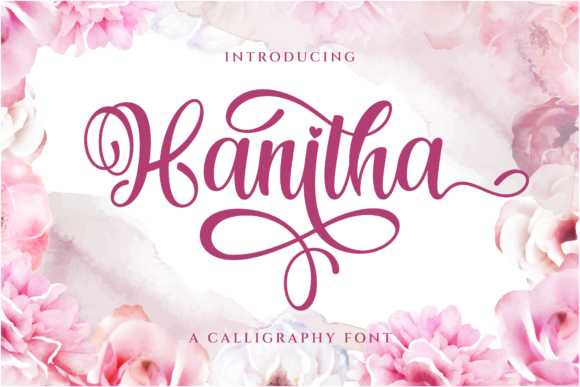
Finding the right typeface can feel overwhelming, especially when you are balancing budget constraints with the need to look professional. Hanitha changed everything for me. It is not just another script font; it is a sweet, soft hand-lettered handwritten font that immediately brings an authentic feel to any design. When I first saw the sample characters, I realized this was the missing piece in my brand identity puzzle. It felt personal, as if each letter had been written specifically for my customers, inviting them into a cozy, welcoming space.
Why Typography Matters for Small Businesses
In the world of small business, your visuals are often the first handshake you offer a potential customer. Before they smell your candles or taste your cookies, they see your logo, your social media posts, and your product labels. Typography plays a massive role in how that first impression lands. If your fonts look disjointed or impersonal, it can create a subtle barrier between you and your audience. On the other hand, a cohesive and thoughtful choice like Hanitha signals care, attention to detail, and a human touch.
For entrepreneurs building a brand from scratch, consistency is key. Using a premium font across all your materials helps build trust. When a customer sees the same beautiful script on your Instagram story, your website banner, and the thank-you card tucked inside their package, it reinforces your brand recognition. It tells them that you are a serious business owner who values quality, even in the smallest details. This level of polish transforms a hobbyist project into a memorable brand experience.
Bringing Authenticity to Packaging and Labels
The moment I applied Hanitha to my candle jar labels, the difference was striking. The font's soft curves and natural flow perfectly complemented the organic nature of soy wax and essential oils. Unlike stiff, mechanical scripts, Hanitha has a genuine hand-drawn quality that feels approachable and friendly. It works exceptionally well for short phrases and headlines, such as "Hand Poured," "Lavender Dreams," or "Small Batch."
When designing packaging, readability is just as important as aesthetics. While Hanitha is a display font meant to catch the eye, its legibility remains high enough for product names and taglines. However, for longer descriptions or ingredient lists, it is best paired with a clean sans serif font. This combination ensures that your customers can easily read the necessary information while still enjoying the decorative flair of the script. I found that using Hanitha for the main title and a simple modern typography style for the body text created a balanced, professional look that elevated my entire product line.
Expanding Your Visual Identity Beyond Packaging
One of the most exciting aspects of choosing a versatile creative font like Hanitha is how far you can stretch its use. Once I committed to it for my labels, I began integrating it into every corner of my business. My social media graphics instantly became more eye-catching. Instead of using generic templates, I started creating custom banners and promotional posts where Hanitha served as the focal point. The warm, inviting mood of the font resonated with my audience, leading to higher engagement rates on my posts.
Beyond digital assets, Hanitha proved invaluable for physical marketing materials. I redesigned my business cards and stickers to feature the font prominently. For local farmers' markets, I printed flyers and menus for my pop-up shop using the same typeface. This consistency made my booth stand out among competitors who were using mismatched fonts or default system typefaces. Even my email newsletters felt more personal, as the subject lines and headers carried that signature handwritten charm.
Whether you run a bakery updating its box designs, a beauty brand improving skincare labels, or a café creating new menus, the principles remain the same. Hanitha offers a unique personality that can adapt to various contexts. It is particularly effective for:
- Logo Design: Creating a memorable mark that feels bespoke and crafted.
- Product Tags: Adding a finishing touch to clothing boutiques or handmade goods.
- Wedding Invitations: Though I am a candle seller, I noticed many designers using it for elegant stationery art.
- Website Banners: Making headlines pop without feeling cluttered.
- Digital Ads: Grabbing attention quickly in crowded feeds.
Practical Tips for Pairing and Usage
To get the most out of Hanitha, understanding how to pair it is essential. Since it is a script amp style with lots of character, it needs a partner that lets it shine without competing. I found that pairing it with a neutral sans serif font worked wonders for my online shop graphics. The contrast between the playful, flowing script and the structured, clean sans serif creates a modern typography aesthetic that is both stylish and readable.
If you prefer a more traditional look, an elegant serif font can also work beautifully, adding a touch of sophistication suitable for luxury brands or editorial design projects. The key is to keep the supporting text simple so that Hanitha remains the star of the show. Remember, this font is best used for headlines, short phrases, logos, and decorative accents. Avoid using it for long paragraphs of body text, as the intricate details might become difficult to read on mobile screens or small printed labels.
Ensuring Professional Quality and Licensing
As you explore new design assets, it is crucial to verify the technical details before committing. When I downloaded Hanitha, I checked the included styles, file formats, and licensing options carefully. Ensuring you have the correct commercial font license is vital if you plan to use the typeface on products for sale, merchandise, or client work. This protects your business and ensures you are using the asset legally.
Additionally, looking for features like alternates, ligatures, and multilingual support can expand your creative possibilities. Hanitha offers these nuances, allowing you to tweak specific letters to avoid awkward repetitions or to add a unique flourish to your logo design. Whether you are printing high-quality packaging or creating digital downloads, having access to robust font files ensures your vision translates perfectly from screen to reality.
Choosing the right font is more than just a design decision; it is a strategic move for your brand. Hanitha helped me transform my small candle business into a cohesive, trustworthy, and visually stunning brand. By embracing its sweet, soft, and authentic feel, I was able to connect more deeply with my customers and present my products with the pride they deserve. If you are ready to elevate your brand visuals and make a lasting impression, this handwritten font might be exactly what you have been looking for.